6 Digital Marketing Trends to Know in 2026
To survive in digital marketing, you must embrace change, and 2026 is no different.
This year, brands should adapt to the new ways customers research, discover, and purchase products online. It might require you to rethink your digital marketing strategy and implement new tactics, but that’s always been true, regardless of the year or emerging trends.
In this guide, we’ll cover:
The top digital marketing trends to expect in 2026
How your brand can leverage these trends to improve visibility, conversions, and revenue growth in 2026
GEO and LLMO Are No Longer Optional
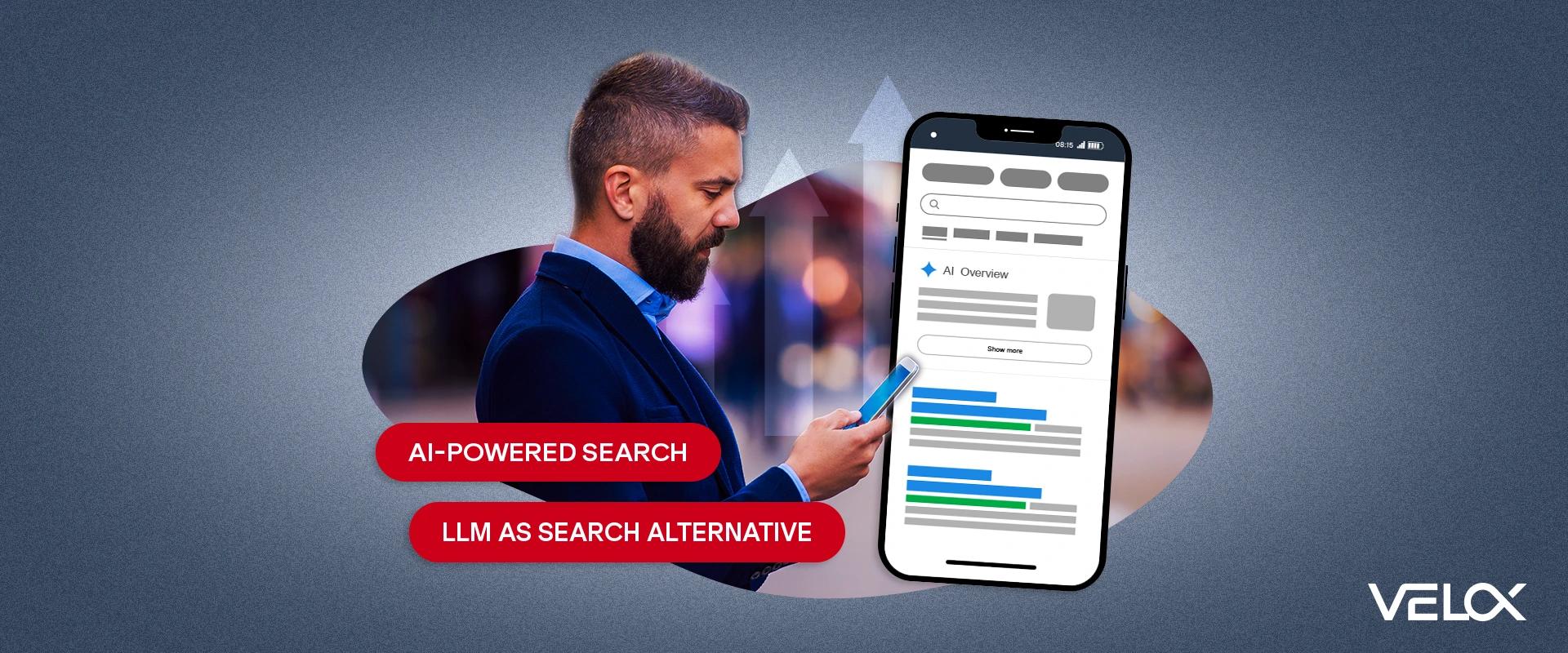
It’s a new year, but AI is still on the minds of digital marketers everywhere, and will be for the foreseeable future.
In 2025, AI became further integrated into the search experience. From the introduction of Google AI Mode to the expansion of AI Overviews, search engines have begun providing more direct answers to informational queries within the search page itself, sometimes encouraging users to ask follow-up questions. In fact, you may notice some Google searches now launch in AI Mode automatically, bypassing the traditional SERP experience.
What does 2026 hold? While we don’t have a crystal ball to know what Google, OpenAI, and Meta are cooking up, one thing is certain: online visibility has expanded beyond just appearing in SERPs.
Now, brands need to focus on appearing everywhere, including within AI Overviews, ChatGPT answers, and other AI features. While direct clicks in AI tools are limited, there’s still value in appearing in AI search results, and it could be the first interaction a user has with your brand.
Generative Engine Optimization (GEO) and LLM Optimization (LLMO) are two tools your brand needs in its 2026 toolkit.
Along with optimizing for Organic Search, GEO and LLMO help you gain visibility in AI answers and AI search results. This ensures your brand has a presence across all surfaces, whether someone is searching for your product on Google or asking ChatGPT for recommendations.
The Goals of GEO and LLMO
Earn citations in AI-generated answers
Own your brand’s representation and narrative within AI-generated content
Expand your reach and visibility to offset lost traffic from zero-click searches
Turn AI visibility into tangible conversions and business results.
These are a few of the high-level goals of GEO and LLMO. AI search isn’t going away and will only continue to grow in 2026. If you want to start implementing LLMO and GEO this year, check out the posts we’ve published on these topics or reach out to our team.
Related: GEO SEO: 7 Generative Engine Optimization Content Strategies Your Brand Should Know
First-Party Data Is Crucial for Digital Advertising in 2026
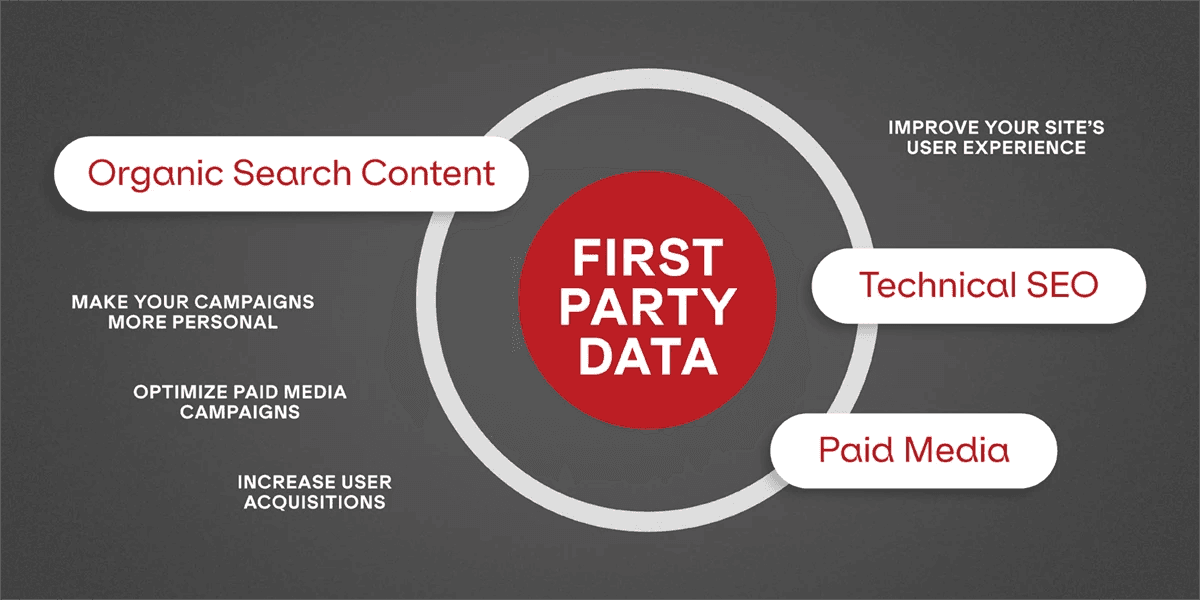
Users increasingly expect privacy and personalization, and first-party data (so long, third-party cookies) plays a crucial role in how brands navigate this delicate balance.
First-party data is the key to unlocking better targeting, digital marketing attribution, and decision-making in 2026. Although Google is keeping third-party cookies for now, it’s well past time for brands to transition into a cookieless, first-party future.
Types of First-Party Data
Form Submissions
User Reviews
Loyalty Enrollment
Email Signups
CRM Data
Think of first-party data as the foundation for your online marketing strategies in 2026 and beyond. It can transform how you target and engage your audience, as well as how you measure the success of your digital marketing campaigns.
First-party data enables you to gain a deeper understanding of your customers across the entire buying journey, regardless of the platform. It bridges the gap between social media, paid media, direct visits, and purchases, providing a clearer picture of how users discover, interact with, and engage with your brand.
Of course, this is only possible with a unified reporting platform. VELOX’s Revenue Platform helps our clients leverage their first-party data to eliminate data silos, spot emerging trends, recognize attribution patterns, and pivot to boost channel revenue.
Related: Leveraging First-Party Data for a Cookieless Future
Technical Optimizations Become Revenue Drivers
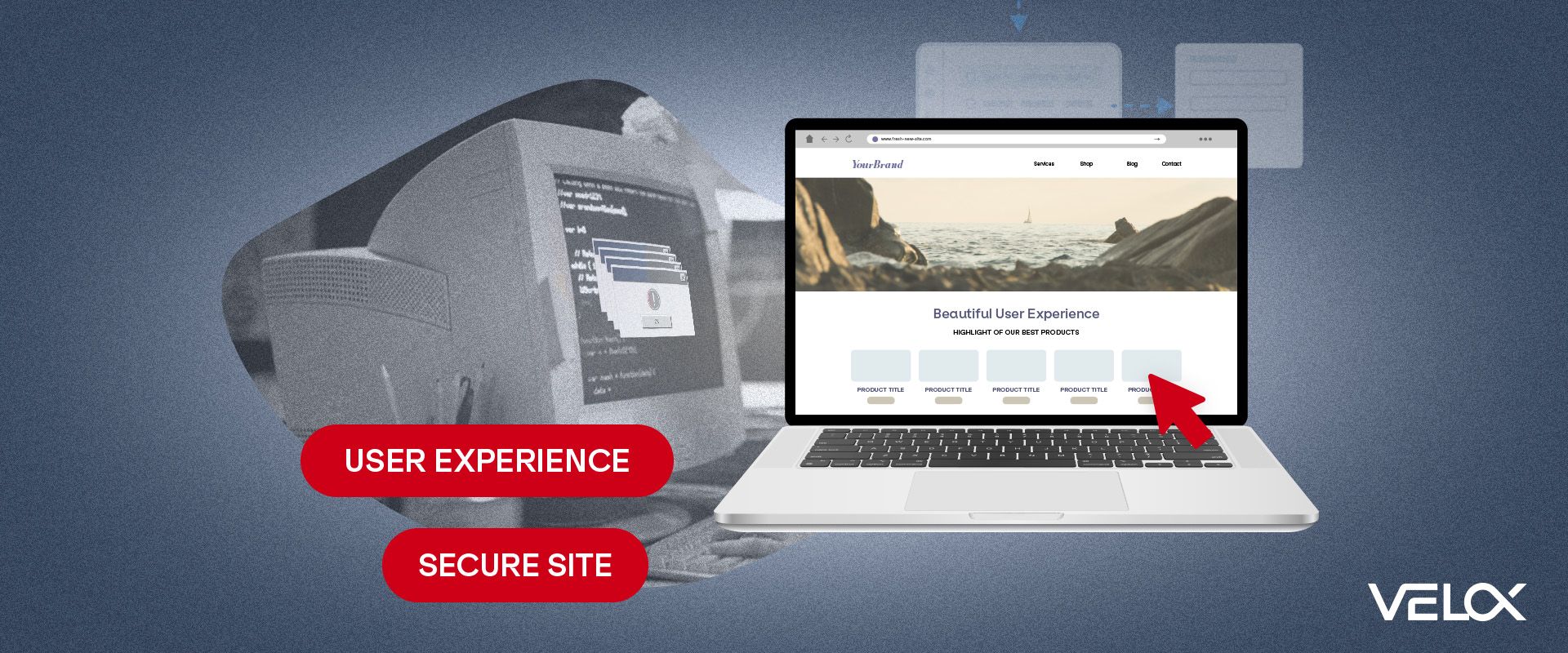
Clicks are harder to earn than ever, so you should give every site visitor a first-class experience.
In 2026, brands can’t afford to ignore website speed, usability, reliability, and crawlability. Delivering a best-of-web experience is no longer a “nice to have” attribute: It’s vital to your success.
Your website should cater not only to human visitors but also to search engine and AI crawlers, ensuring that your most important pages are found, indexed, and surfaced in SERPs, AI Overviews, and other relevant features.
The good news is that optimizing your website from a technical standpoint is straightforward with the right playbook and team to execute.
Technical Website Optimizations to Prioritize
Crawlability and Indexability
Mobile Optimization
Core Web Vitals: Loading (LCP), Interactivity (INP), Visual Stability (CLS)
Internal Linking Structure
Structured Data
Redirects
It’s time to treat technical SEO as a revenue driver, not a maintenance task.
Related: 5 Ways Your Old Website Design Is Leaving ROI on the Table
Conversion Rate Optimization Takes the Driver's Seat
With zero-click searches on the rise, you need to capitalize on every site visit.
While you’re implementing technical optimizations, incorporate conversion rate optimization (CRO) practices across your site, especially your revenue-driving pages.
Effective CRO supports a user’s purchase decision, making it frictionless to go from browsing to buying.
Along with improving overall site performance (speed, usability, responsiveness, etc.), CRO takes it a step further, focusing on consumer behavior and the overarching customer journey.
The goal is to offer the best shopping experience, with tailored, A/B-tested copy and CTAs, along with technical implementations that make navigation effortless.
With traffic declining across the board for most brands, CRO is how you unlock revenue growth and stay competitive in 2026.
Conversion Rate Optimization Best Practices in 2026
Leverage social proof and UGC
A/B test copy to identify what resonates with your key audiences
Remove bottlenecks to create a frictionless shopping experience
Streamline checkout flows
Content Is Key for Winning the Credibility Race
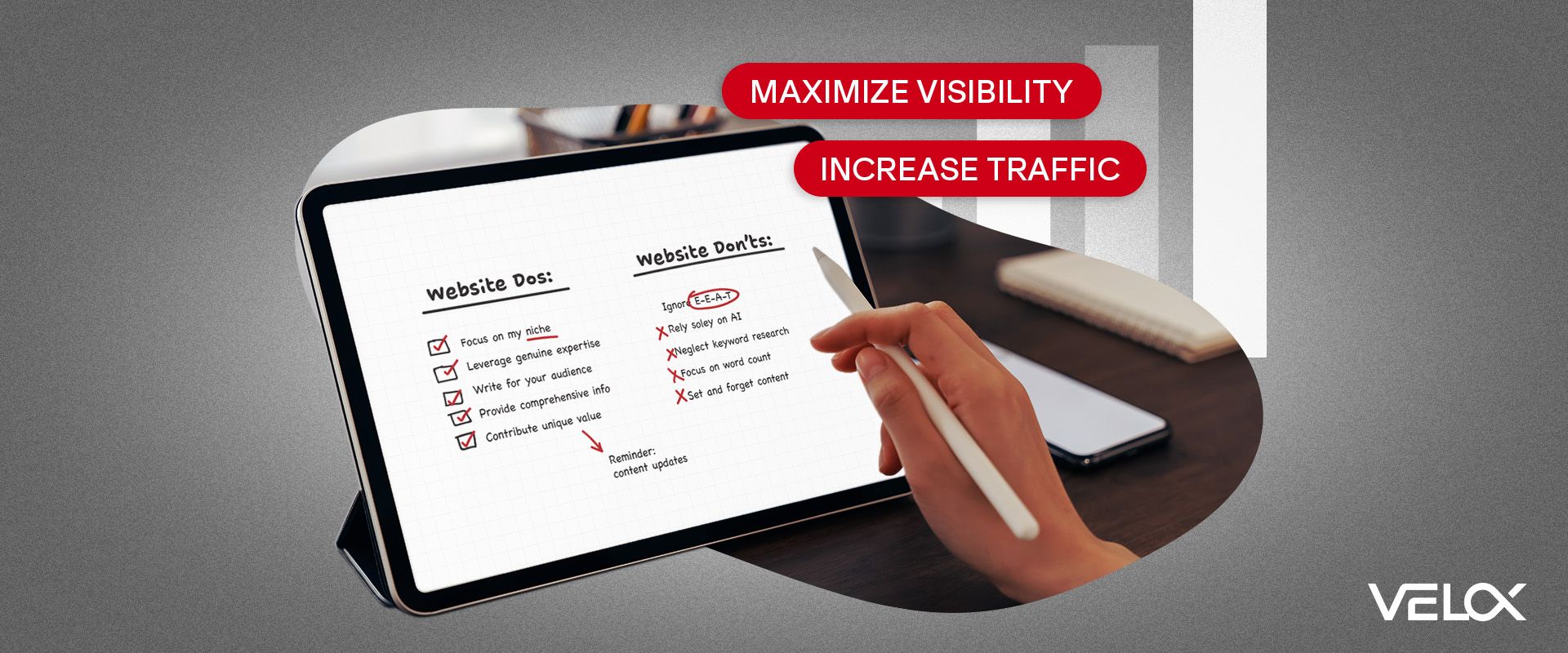
Content is king. Always has been, and always will be.
However, in the era of AI writing tools, it’s crucial to understand the distinction between quality content and credible content.
AI tools can produce typo-free, grammatically correct content in seconds, but does it actually move the needle? What’s the point of filling your blog with pages of AI-written content if it doesn’t deliver any tangible value?
Google, AI answer engines, and most importantly, your readers care most about real-world, first-hand insight. Google even has an acronym for this: E-E-A-T (Experience, Expertise, Authoritativeness, Trustworthiness).
That’s something only a human expert can deliver.
In 2026, avoid the quantity trap and double down on producing top-quality people-first content that:
Answers real-world questions
Provides a unique perspective based on real-world experience
Demonstrates a depth of knowledge on the given topic
Offers original perspectives, insights, and information
Builds trust with readers
Content that checks off these boxes is more likely to make a meaningful impact. After all, AI tools aim to serve answers based on human-written content, not content written by other AI systems (which can lead to AI cannibalization).
This doesn’t mean ChatGPT can’t be useful in your content strategy. It’s phenomenal during the research, brainstorming, and outlining phases. However, a human expert should always create the final draft, ensuring it’s accurate, helpful, and aligned with brand voice.
Although some may feel like ChatGPT has made content creation obsolete, it’s actually an exciting time for content strategy experts.
While your competitors spend their days creating generic AI-written blog posts because it’s quick and “scalable,” you have the opportunity to leverage your expertise and differentiate yourself, thereby building credibility with readers.
Related: 10 Content Optimization Tips for Generating Organic Search Results
Paid Media Is a Safe Haven for Brands in AI-Powered Search
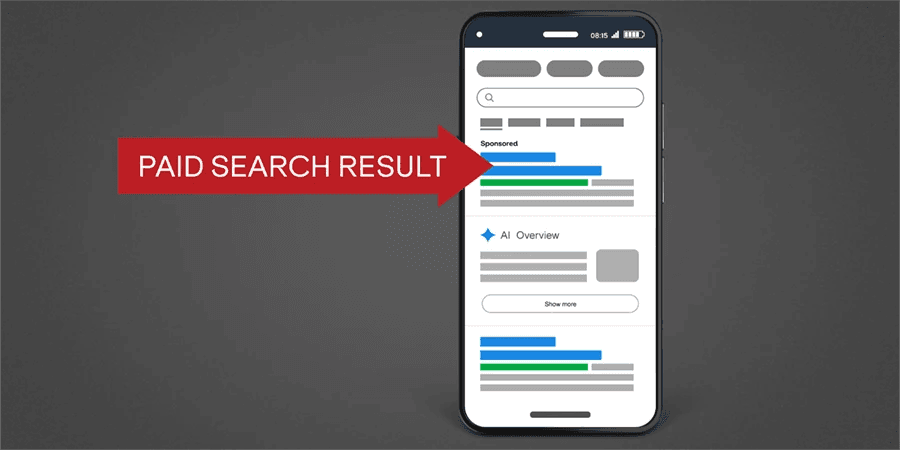
Depending on your perspective, it can feel like AI is ruining the party for digital marketing across the board. Of course, we view it as a new opportunity for growth and revenue expansion, but it's understandable to feel frustrated at the rise of zero-click searches and further encroachment of AI features in SERPs.
In a sense, it feels like the rules for digital marketing have been rewritten several times since ChatGPT made its big splash in 2022.
One thing that hasn’t changed? Paid media. In fact, it’s one of the safer channels. After all, Google, Meta, and other platforms need ad revenue to survive, so paid media remains one of the best marketing strategies for preserving visibility in 2026.
In fact, paid search can be viewed as a hedge against AI-powered search results. While AI features have taken up significant real estate on informational SERPs, paid ads are fairly stable, even expanding into AI features.
Paid media can help you maintain your visibility and regain lost traffic when AI Overviews push your organic rankings further down the page, which is why they should be in your 2026 digital marketing strategy.
The Keys to Paid Media Success in 2026
Shift your focus from strictly targeting keywords to emphasizing user intent in paid ads.
Optimize ads for premium placements within AI Overviews, AI Mode, and other AI features.
Strengthen and defend your brand to capitalize on high-intent traffic.
Leverage first-party data to build highly-targeted audiences to reduce budget waste.
Maximize your brand's presence on the platforms your audience uses, including Amazon, social media, and programmatic advertising.
Related: How to Use Paid Search to Regain Lost Traffic Due to AI
Reimagine Your 2026 Campaigns with VELOX
Times are changing, but VELOX stays ahead of the curve. As a revenue-focused agency, we help brands capitalize on emerging trends, reduce budget waste, and maximize ROI. With our omnichannel approach, you can reach your customers wherever they are online, with a proprietary analytics and attribution tool to help you make smarter decisions.
Want to exceed your 2026 goals? Contact us today.
Read More About AI

How to Invest in AI Visibility without Losing Sight of Revenue
AI Search visibility is growing quickly, but more citations don't automatically mean more revenue. Learn how to measure the real value of AI visibility and build it into an Organic Search strategy focused on measurable growth.

Organic vs Direct Traffic: How Misattribution Could Cost Your Brand
Organic Search may be driving more revenue than your analytics reports reveal. Learn how organic, direct, and AI traffic can be misattributed, and why correcting those blind spots leads to smarter marketing investments.

What Is Return on Marketing Investment? A Practical Guide for Growth Focused Brands
Explore expert insights, proven strategies, and the latest trends in Organic Search, Paid Media, AI Search, and digital marketing; all designed to drive measurable revenue growth.